 EUR | €
 SEK | kr
 NZD | $
 CAD | $
 EUR | €
 AUD | $
 USD | $
 GBP | £
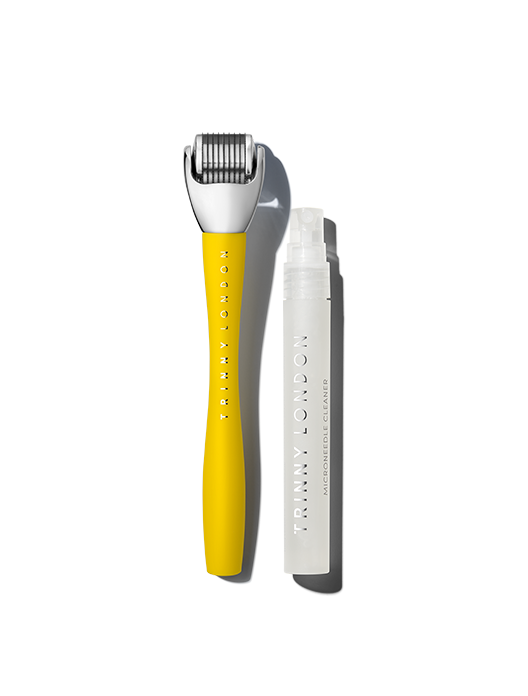
Skincare tool
Plump Up Microneedle 0.5mm
At-home microneedle tool for firm, smooth skin

The world of skincare, treatments and procedures has never been easy to navigate – and with hundreds of myths and not-so-successful stories being spread like gossip in a school playground, it’s no surprise that microneedling (also called ‘dermarolling’) can sometimes be painted in an unfair, scary light. Fear not, we’re here to help guide you through the maze of myths and misconceptions.
Is microneedling really safe to do at home?
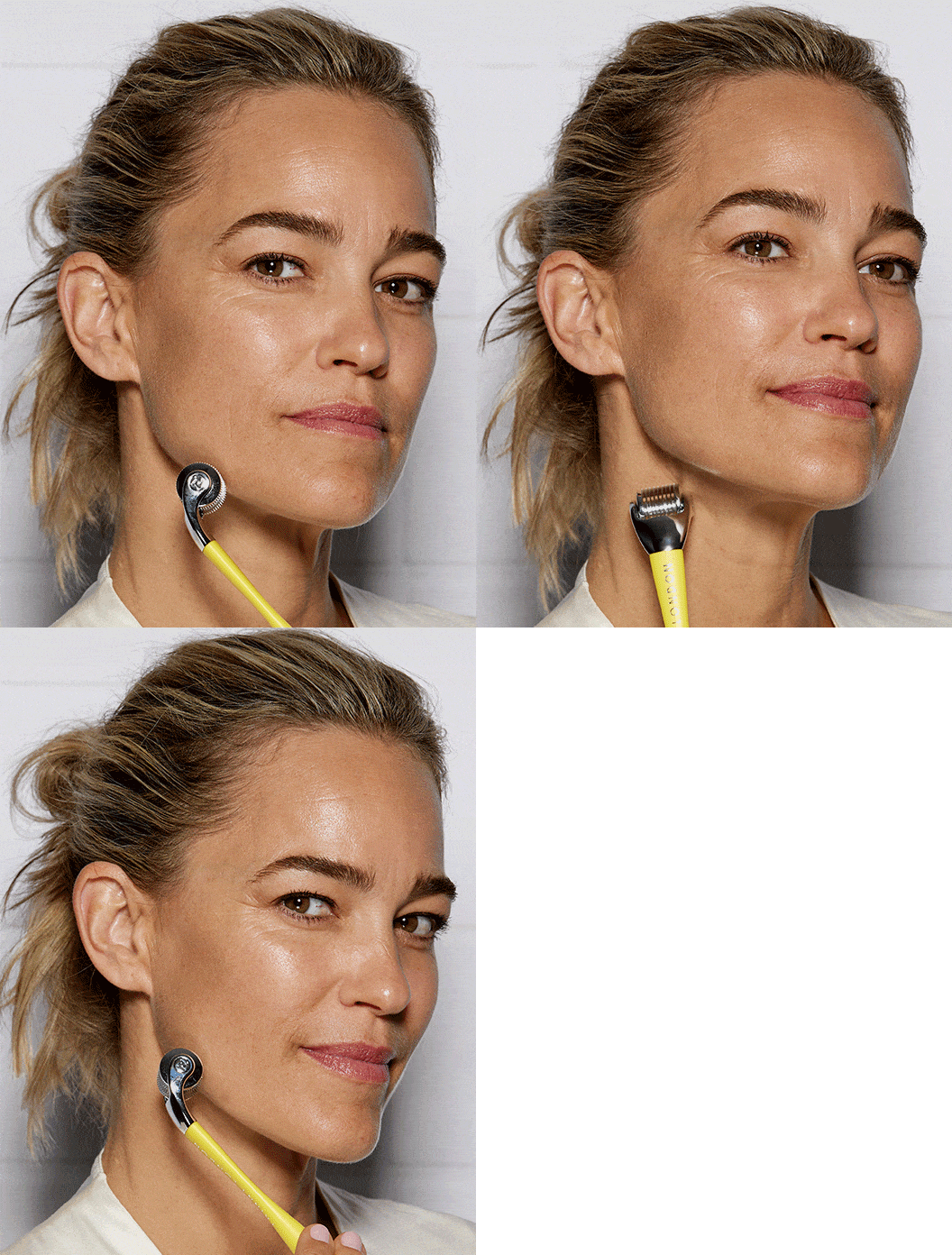
At-home microneedling is safe, as long as you adhere to the rules. First things first: never microneedle your skin if it’s red, tingly or sensitive, and don’t microneedle after hair removal until your skin has had a chance to recover. Secondly, take the time to master your technique, educating yourself on how to hold your microneedle, the pattern to follow and how often to use it. Finally, make sure your microneedle is clean. This means thoroughly cleaning it after every use and storing it properly with a protective cap. We’d also recommend rinsing the head with warm water before every use. Our Plump Up Microneedle heads need to be replaced after 24 uses.
Can people with sensitive skin microneedle?
No, you shouldn’t be microneedling if you have sensitive skin. “Sensitive skin means you have a compromised skin barrier,” explains skin expert Fiona Brackenbury. “This means there is a weakness in the top layer of skin. If you have sensitive skin, you need to strengthen the skin barrier before you think about microneedling.” Start by stripping your skin back to basics of cleanser, moisturiser and SPF, and only consider reintroducing actives or bringing in elements like microneedling if and when your skin is calmer and more comfortable.
How often should you be microneedling?
“You shouldn’t be microneedling every day, even if you’re not a beginner” warns Fiona. “It’s really important to have rest days. No one’s skin can handle microneedling every single day”. Leave at least 48 hours between sessions. Then, after eight weeks of microneedling, take a month off to give your skin the opportunity to rest and regenerate.
Can you use a microneedle at any age?
“We would suggest that no one younger than 18 should use a microneedle,” says Fiona. “Also if you are in your mid-70s or above, your skin will naturally be thinner, drier and more sensitive, so you should use a microneedle less frequently.”
Shop the article
At-home microneedle tool for firm, smooth skin
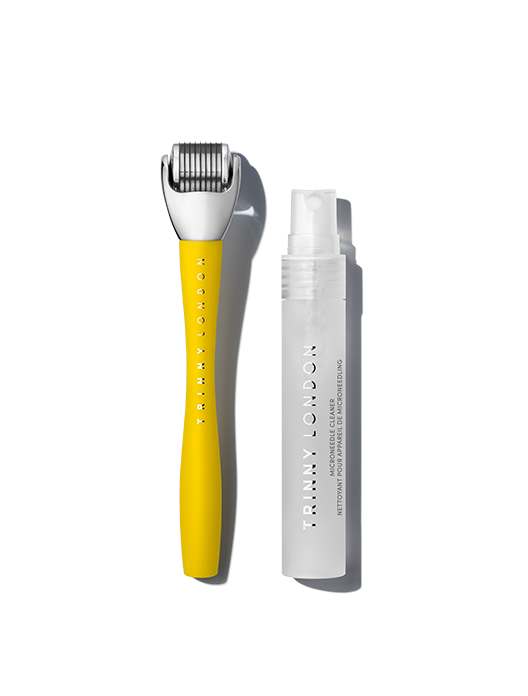
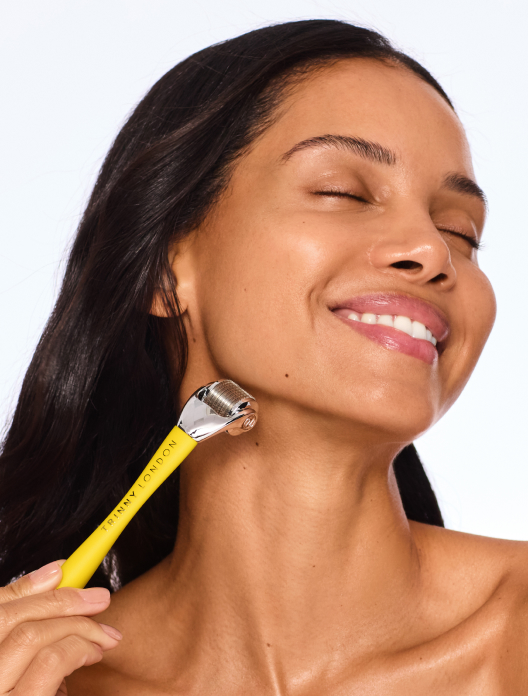
At-home microneedle tool for glowing, plump skin
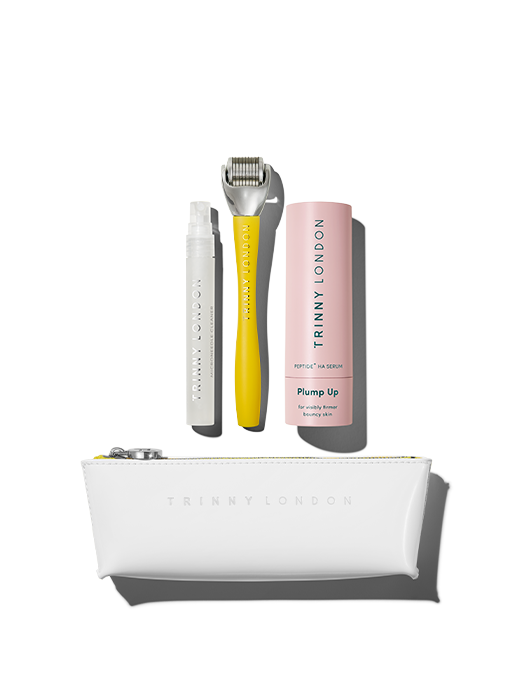
Microneedle, peptide serum and beauty bag
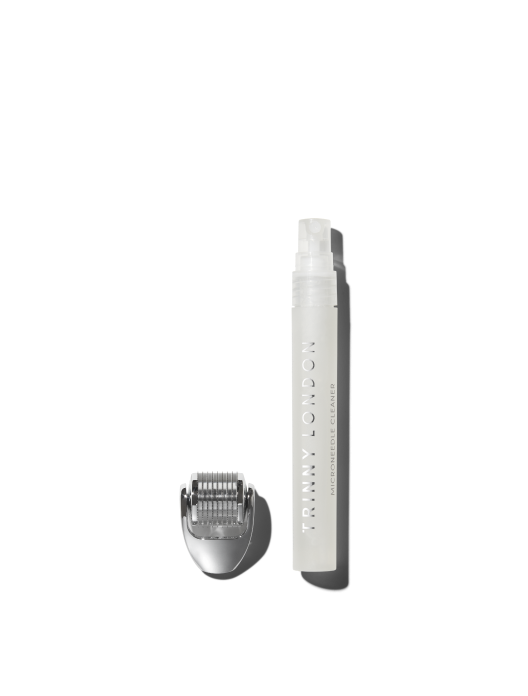
Everything you need to care for your Plump Up Microneedle