 EUR | €
 SEK | kr
 NZD | $
 CAD | $
 EUR | €
 AUD | $
 USD | $
 GBP | £
NEW
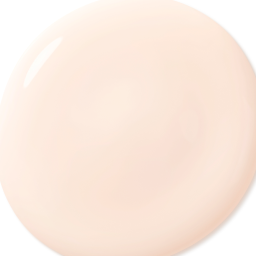
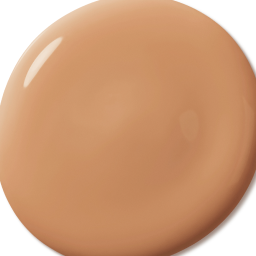
 30 shades
SKIN TINT
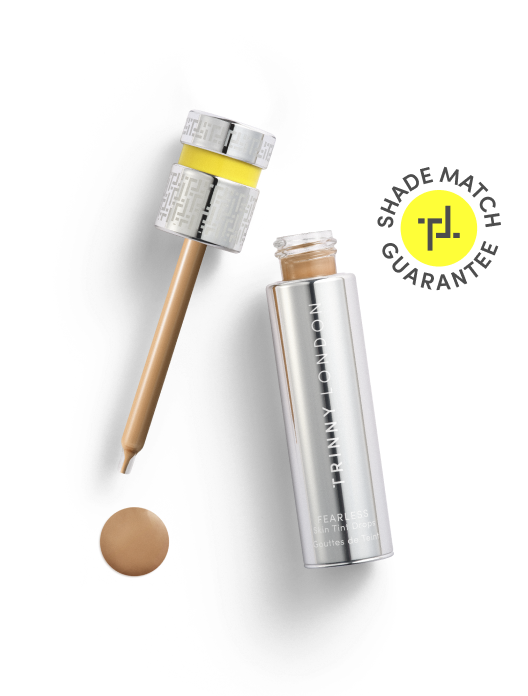
FEARLESS Skin Tint Drops
Weightless medium coverage with a luminous finish
Choose shade$88.00

The key to natural-looking coverage is finding a shade that suits you so perfectly, it blends quietly into the background. A shade that leaves your face and your neck looking like long-lost cousins rather than sisters is the wrong one. Identifying your skin tone and undertone can feel a little daunting at first. Your skin tone can shift with the seasons, but your undertone stays consistent year-round – but fear not, we’re here to break it down.
Finding your skin tone
Skin tone refers to how deep or light your skin is. There’s a myriad of shades within this spectrum, and the range on offer will vary by brand.
How to find your skin tone…
At Trinny London, our Match2Me tool helps to guide you to your perfect shade by allowing you to select the model whose skin tone is most like your own. Browse from deepest to lightest to find a shade most suited to you.
Finding your undertone
Undertones are different from skin tones. It’s possible to have any skin tone, ranging from very light to very deep, and have a cool, warm, or neutral undertone. Your coverage could be a great shade match, but if it’s not suited to the undertones of your skin, the finish will look unnatural and can be ashy or orange. Undertones fall into four main types:
Warm – golden, peachy, or yellow. Look for a W or words like Golden or Honey.
Cool – pink, red, or blue. Look for a C or Rose. These shades will be pink or blue-based.
Neutral – a balanced mix of warm and cool. Look for an N.
Olive – neutral-to-cool with a muted green cast. Look for Neutral or Golden Olive, and colours that don’t have excessive pink or yellow in them.
How to find your undertone…
Sit in front of a white background or wear a white shirt. The neutral shade will allow you to see if your skin feels warmer or cooler in comparison. If you feel that the base colours of your complexion are on the golden side, your skin tone is warm. If the base shades are red or blue, your skin tone is cool.
Take a piece of gold jewellery and a piece of silver jewellery. Take it in turns to hold each against your skin. If the silver jewellery makes your skin look brighter and healthier, your skin tone is cool. If gold gives your skin life, your skin tone is warm.
If you’re finding it tricky to pick a side as all of the above applies, you likely have neutral undertones.
Consider the seasons
It’s worth noting that your skin tone will likely change throughout the year. For most people, even those who are vigilant about SPF (as we all should be, by the way), will find that their skin gets darker during the summer months. You may want to have one base for the summer and another for winter. When in-between seasons, you can always use a bronzer to build up colour. Wondering whether your skin undertone changes with a tan? No, your undertone stays consistent all year round.
How to swatch makeup
So you’ve got a base in mind – but is it the one? Here’s how to test and swatch to see if it’s the perfect match.
Where on your face is best for swatches?
Looking in a well-lit mirror, hold the back of your hand next to your face. Are they the same colour? In most cases, the answer is no, yet so many of us rely on our hands to test the tones in our foundations. The ideal, of course, is to test on all areas of the face, but this isn’t always possible. As a compromise, we recommend swatching your base along your jawline. This will give you the chance to see if it is a good match with your face and if it contrasts too starkly with your neck.
Another case for testing on the face, not your hand, is that there are more natural oils present on the surface of your face. These combine with your base as you wear it, and can impact the colour, making it appear darker.
Why natural lighting is important
Ever applied your makeup in a dark room or fluorescent-lit train carriage? Then you’ll know the shock response that comes with seeing what you thought was a well-applied face of makeup beneath natural lighting. It is impossible to see if a shade works for you if you haven’t seen it properly, so take the time to test in good, natural light. This could be outdoors (if you can) or next to a window during daylight hours.
Apply to clean skin
For reliable shade matching, you’ll need to swatch your base onto clean skin. This is for a couple of reasons. Firstly, if there is already product on your skin, it can distort the shade, meaning you won’t know if the base you're trialling is the right shade for you. Secondly, not all products play nicely together, and mixing products that aren’t intended to be worn together can cause them to pill or cake.
Check in a full-size mirror
Some compact mirrors may have the benefit of magnifying your reflection, but they only allow you to see a small section at a time. To see if your foundation is a good match, you’ll want to see the full picture, which means looking at it in a full-size mirror. Check both sides of your face, and pay close attention to your jawline and neck – both of which can be giveaways if the shade isn’t right.
Give it time
A linen shirt might look lovely and crisp as you leave the house, but can become wrinkled and creased as you go about your day. It’s similar for foundation and base products. When they are exposed to light and air, they can undergo a process called oxidation. It’s the same process that a cut apple will undergo when left to brown on the kitchen worktop, and causes what looked like a well-matched foundation to become darker in tone during the day. To avoid any unexpected surprises, test for at least a couple of hours.
Shop the article
30 shadesWeightless medium coverage with a luminous finish
Choose shade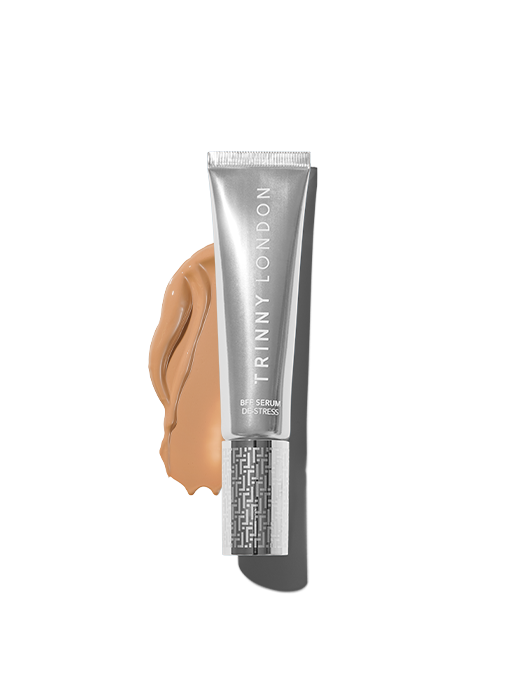


 12 shades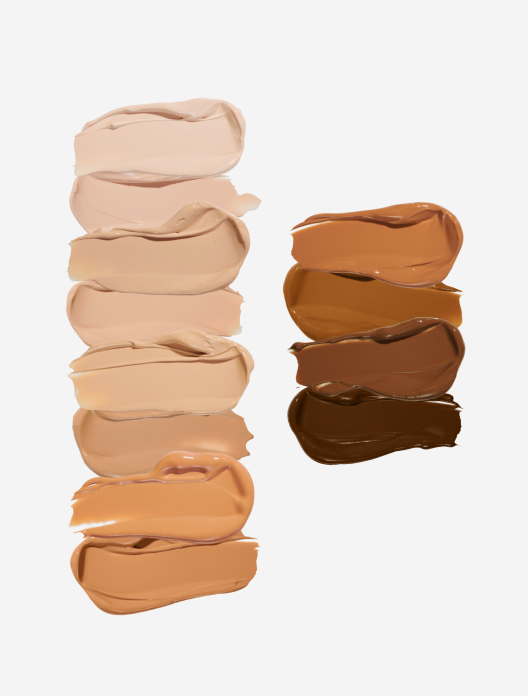
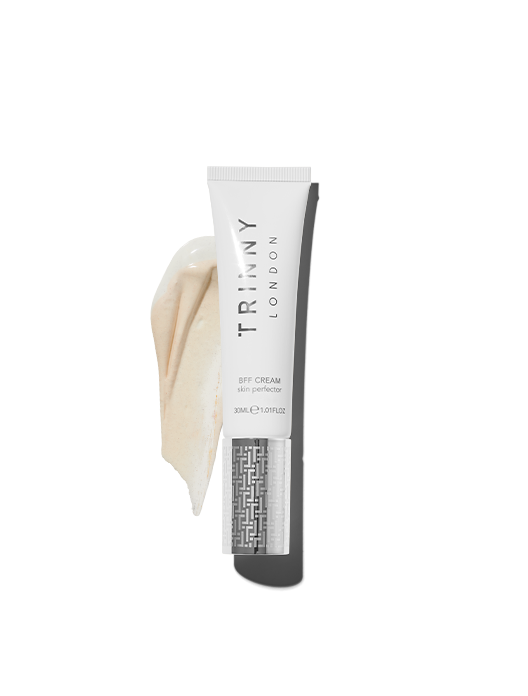


 5 shades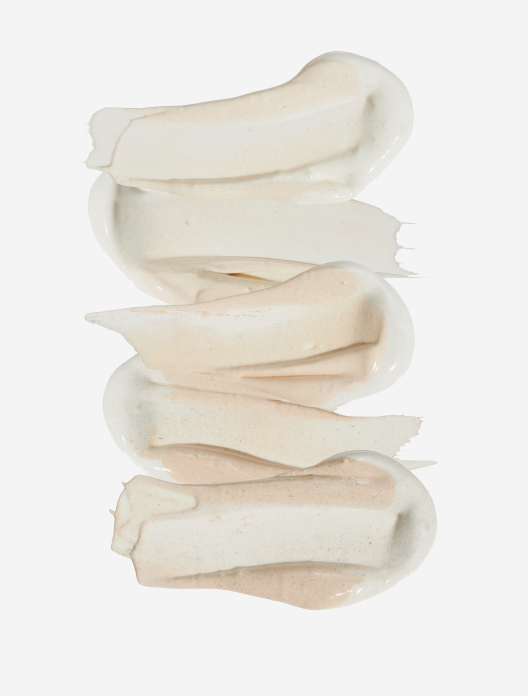
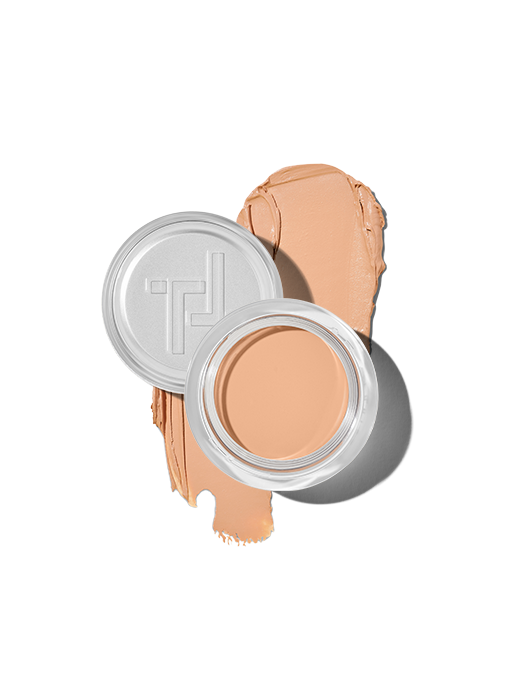

 25 shades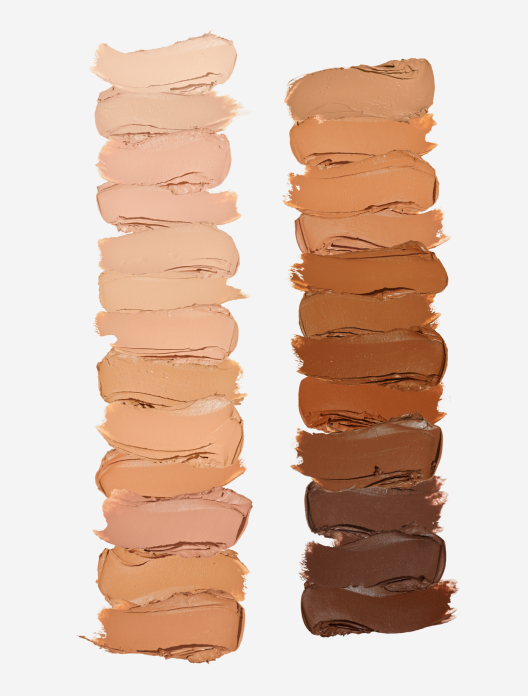
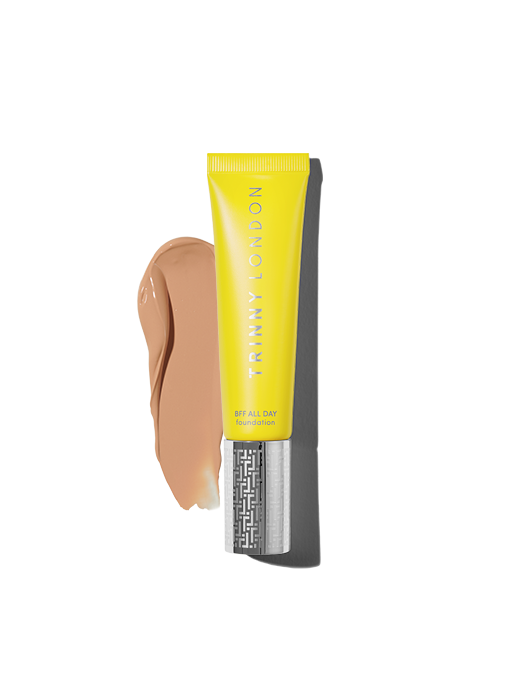


 18 shades